Credits
This page is built from the licence catalogue of the repository. It therefore cannot leave anything out.
The typefaces
Source Serif 4headings and foliosweights 400, 500, 600
Designed by Frank Grießhammer, pour Adobe.
Licence: SIL Open Font License 1.1 · Copyright 2014 - 2023 Adobe (http://www.adobe.com/), with Reserved Font Name 'Source'. All Rights Reserved.
Official page: github.com/adobe-fonts/source-serif · licence checked on August 13, 2026.
The serif of the fleet design system, and it is the one that carries LONG-FORM READING: a whole chapter is read in it. It also sets the headings and the volume titles on the covers. It is the same typeface on every ODERSA site.
Public Sansrunning textweights 400, 600, 700
Designed by L'U.S. Web Design System (General Services Administration), à partir de Libre Franklin de Impallari Type.
Licence: SIL Open Font License 1.1 · Copyright 2015 The Public Sans Project Authors (https://github.com/uswds/public-sans).
Official page: github.com/uswds/public-sans · licence checked on August 13, 2026.
The sans of the fleet design system. It sets everything that is not continuous reading: navigation, shelves, filters, labels, counters. Only the Latin subset is downloaded: Arabic, Devanagari, Bengali and Chinese are served by your own device, and that is what keeps this site light in all seven languages.
The photographs
Every image is openly licensed, its licence was checked at its source page, and the image itself was looked at before being adopted. The credit link under each photograph on this site leads to its entry below.
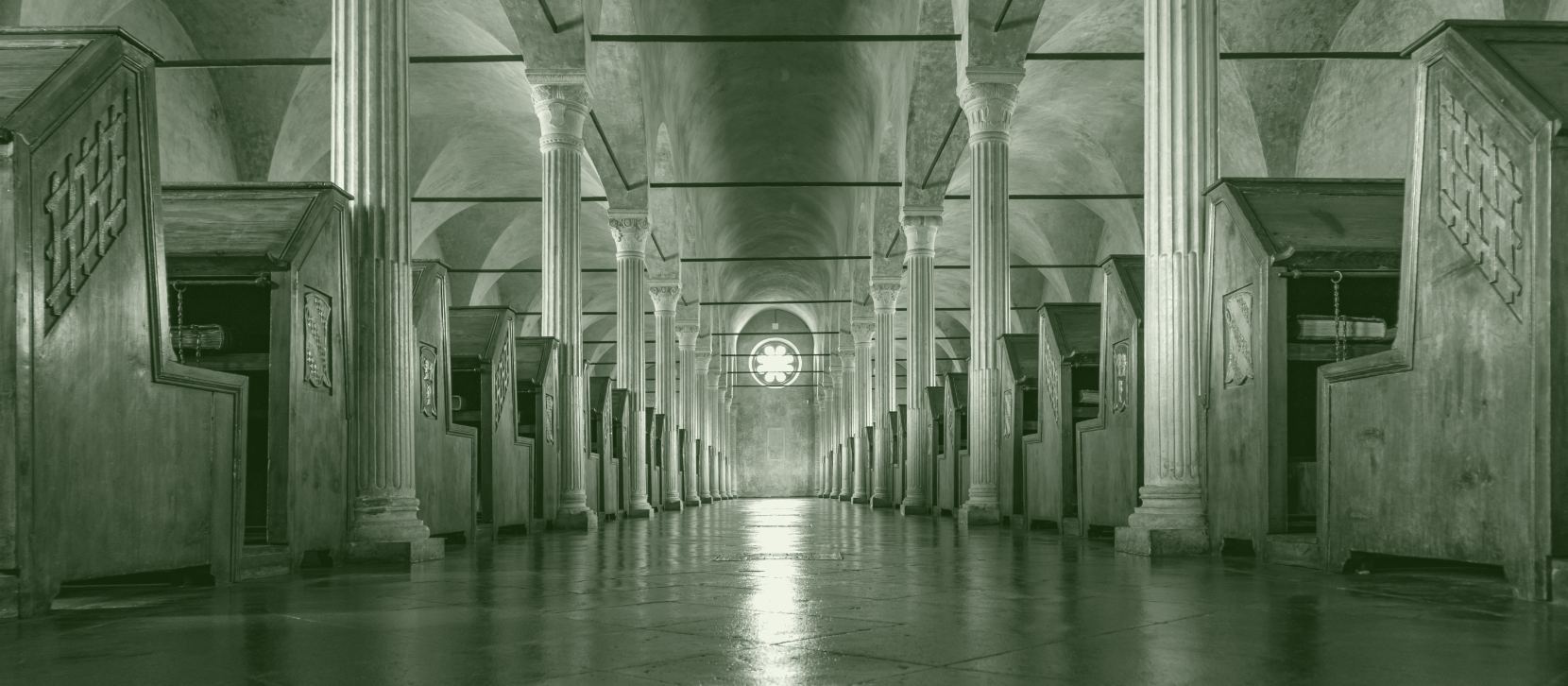
Nef de la bibliothèque Malatestiana et ses pupitres à livres enchaînés
Photograph by Terragio67 · Wikimedia Commons.
Licence: CC BY-SA 4.0 · the version cropped and treated by this site is published under that same licence
Source page: see the image page · licence checked on August 6, 2026.
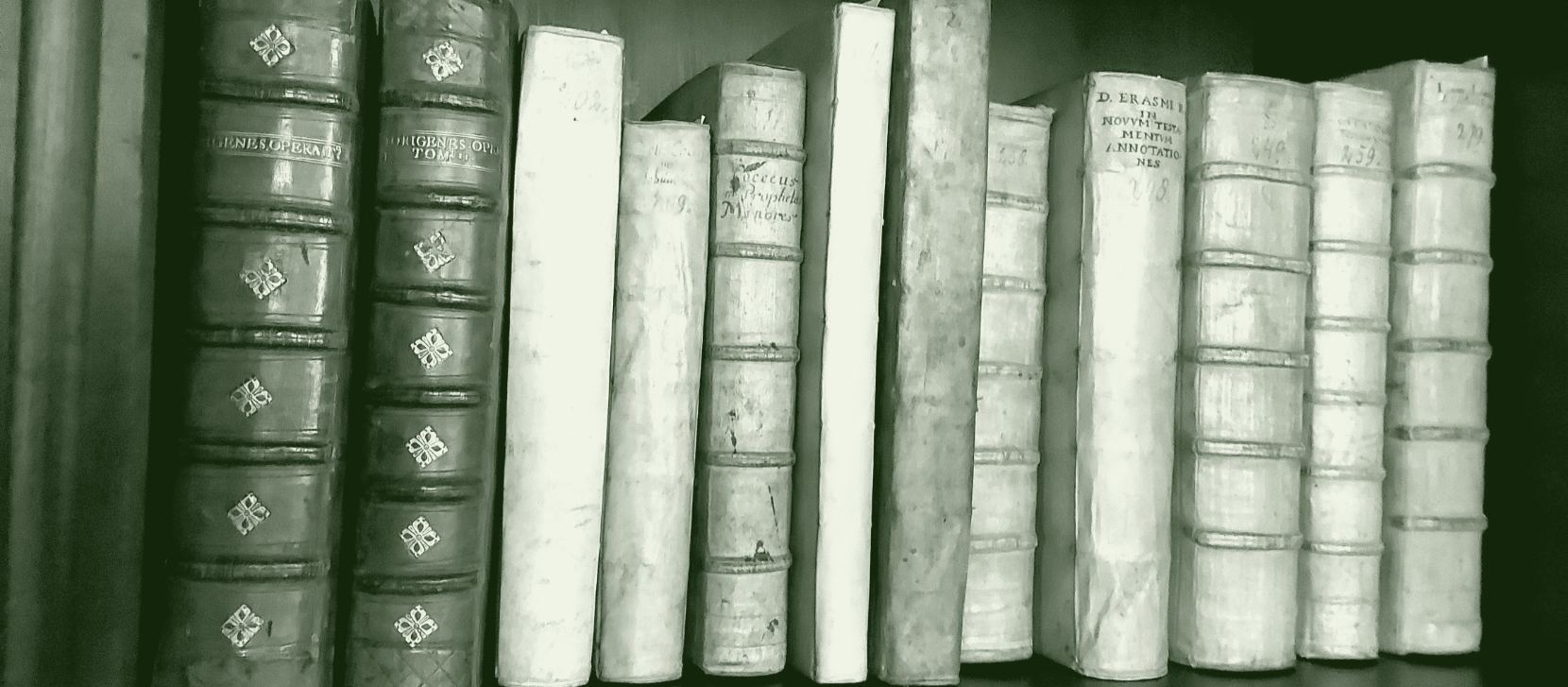
Rayon de reliures en vélin et en veau de la Librije de Zutphen
Photograph by Mx Lucy · Wikimedia Commons.
Licence: CC BY-SA 4.0 · the version cropped and treated by this site is published under that same licence
Source page: see the image page · licence checked on August 6, 2026.
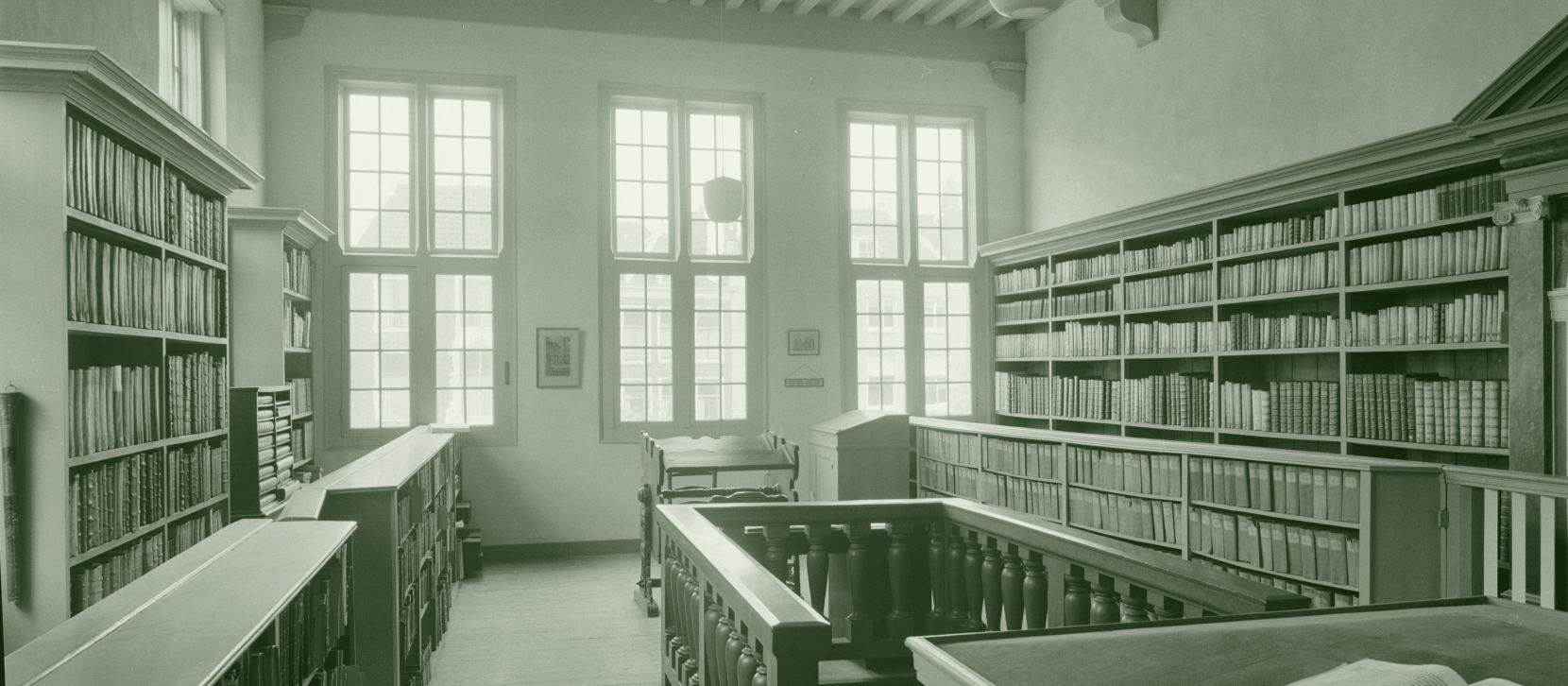
Salle de lecture de la Bibliotheca Thysiana, murs de reliures en vélin
Photograph by G.Th. Delemarre / Rijksdienst voor het Cultureel Erfgoed · Wikimedia Commons.
Licence: CC BY-SA 4.0 · the version cropped and treated by this site is published under that same licence
Source page: see the image page · licence checked on August 6, 2026.
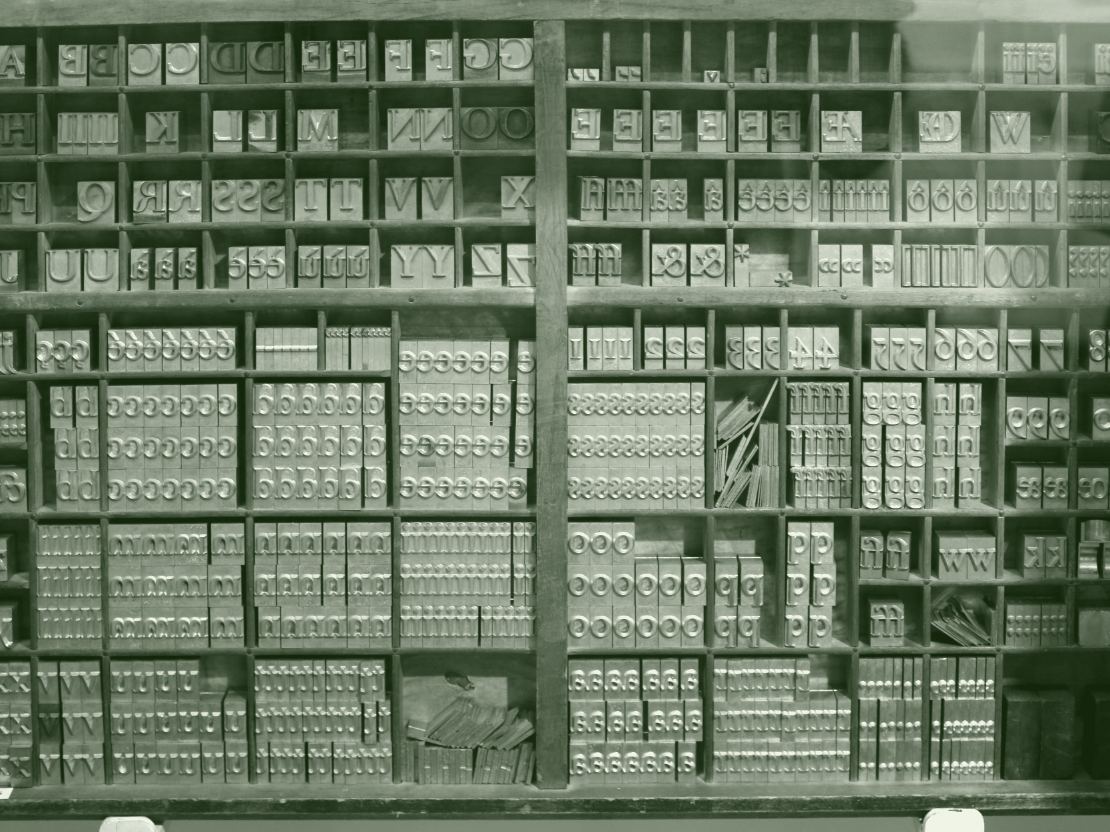
Casse de typographe, Grandjean, musée Champollion
Photograph by VIGNERON · Wikimedia Commons.
Licence: CC BY 3.0
Source page: see the image page · licence checked on August 6, 2026.
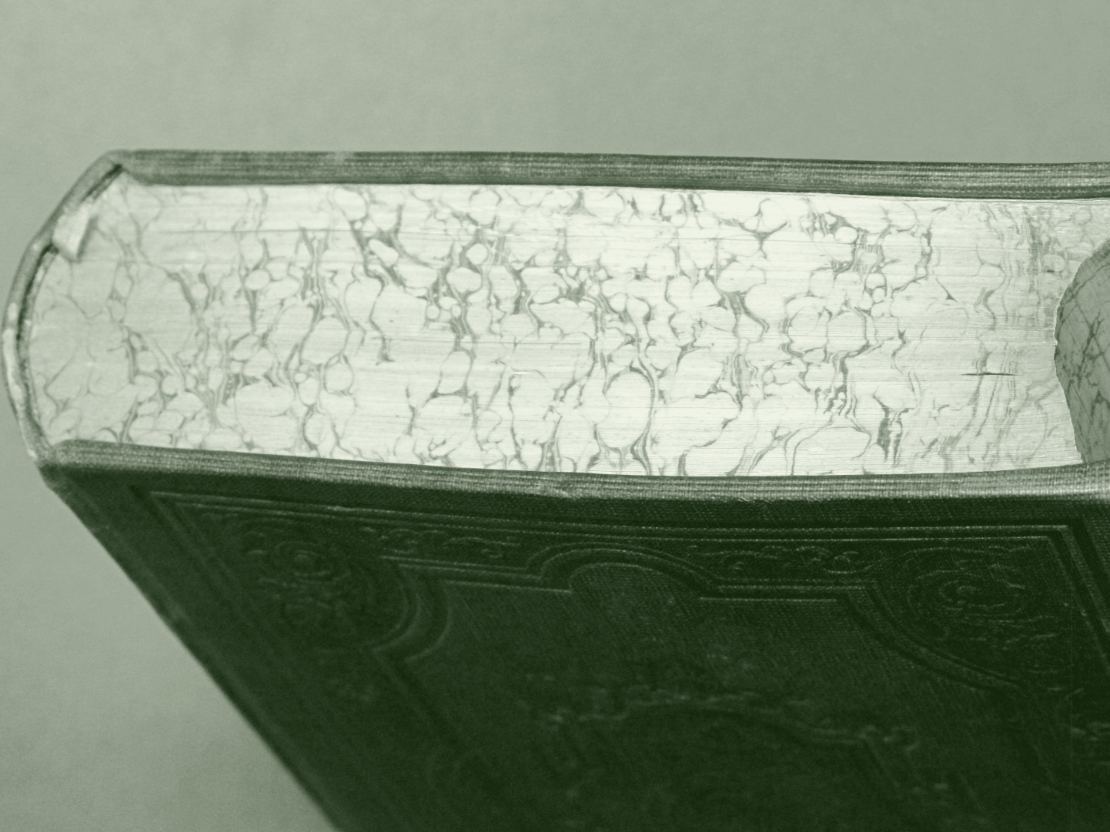
Tranche marbrée d'une reliure de 1856
Photograph by Tom Jac · Wikimedia Commons.
Licence: CC BY-SA 4.0 · the version cropped and treated by this site is published under that same licence
Source page: see the image page · licence checked on August 6, 2026.
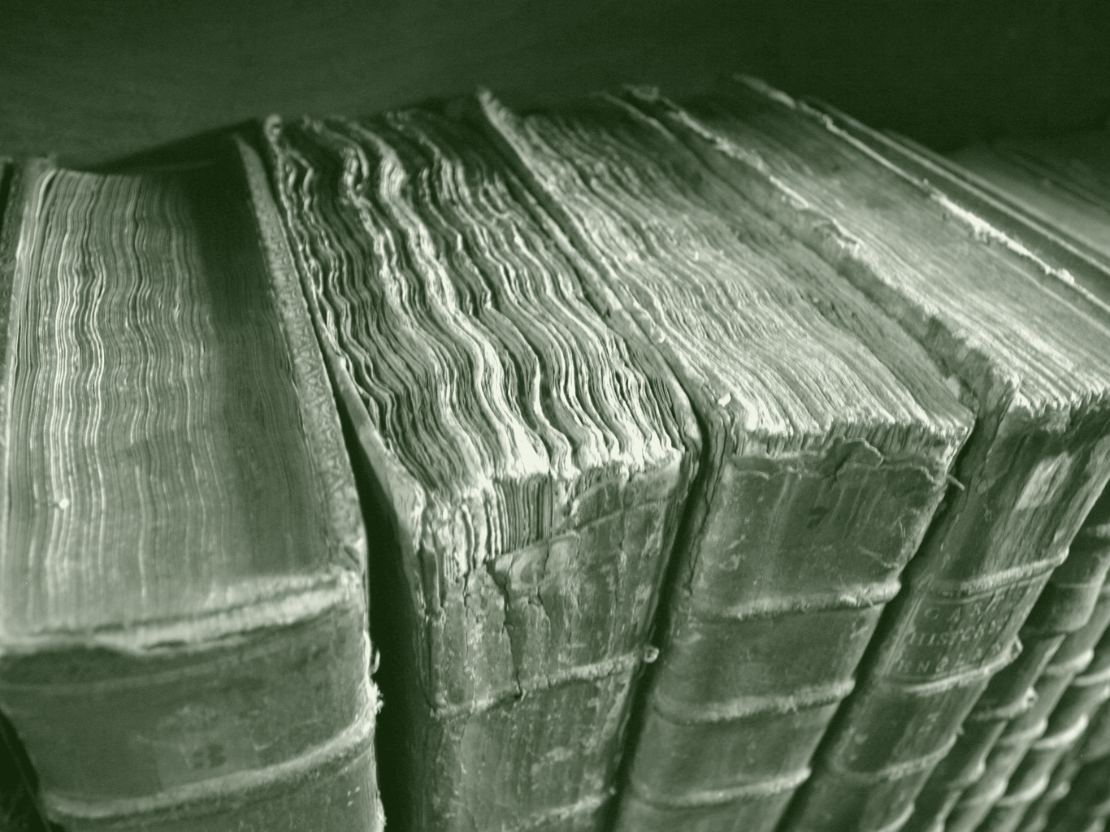
Tranches et dos de volumes anciens, bibliothèque de Merton College
Photograph by Tom Murphy VII · Wikimedia Commons.
Licence: CC BY-SA 3.0 · the version cropped and treated by this site is published under that same licence
Source page: see the image page · licence checked on August 6, 2026.
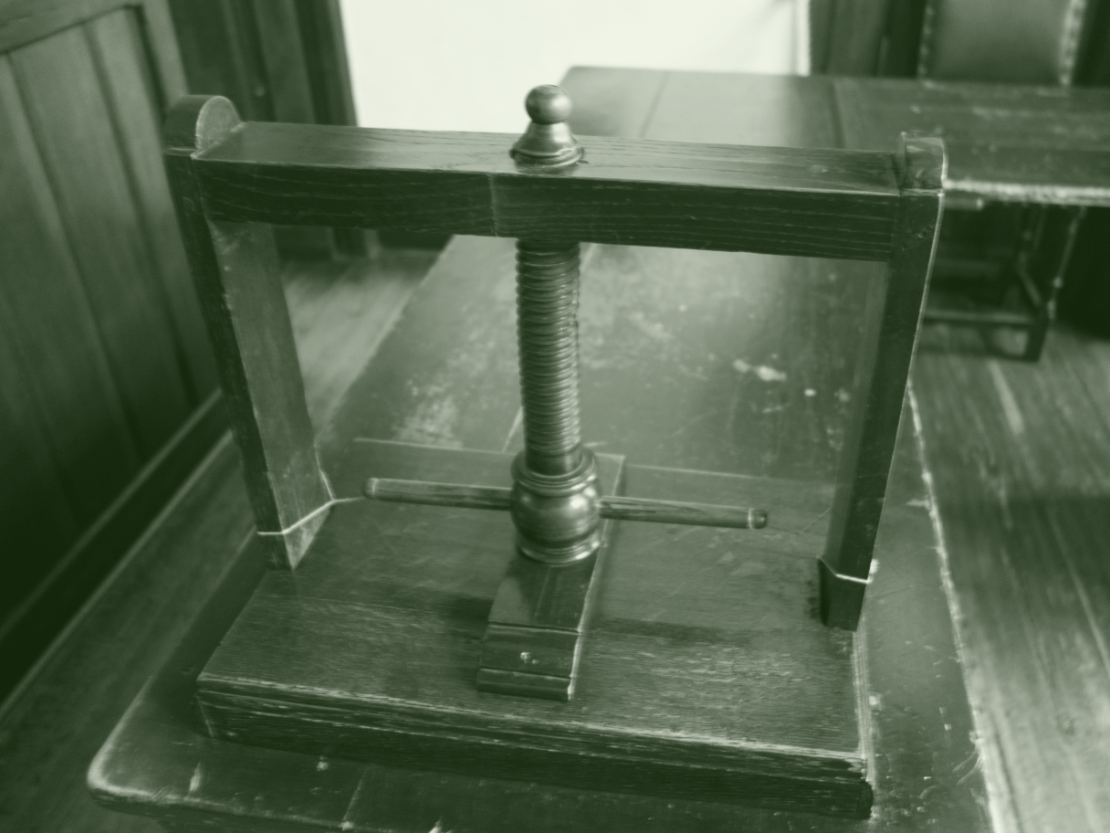
Presse à vis en bois d'un atelier de reliure
Photograph by Thomas Quine · Wikimedia Commons.
Licence: CC BY 2.0
Source page: see the image page · licence checked on August 6, 2026.
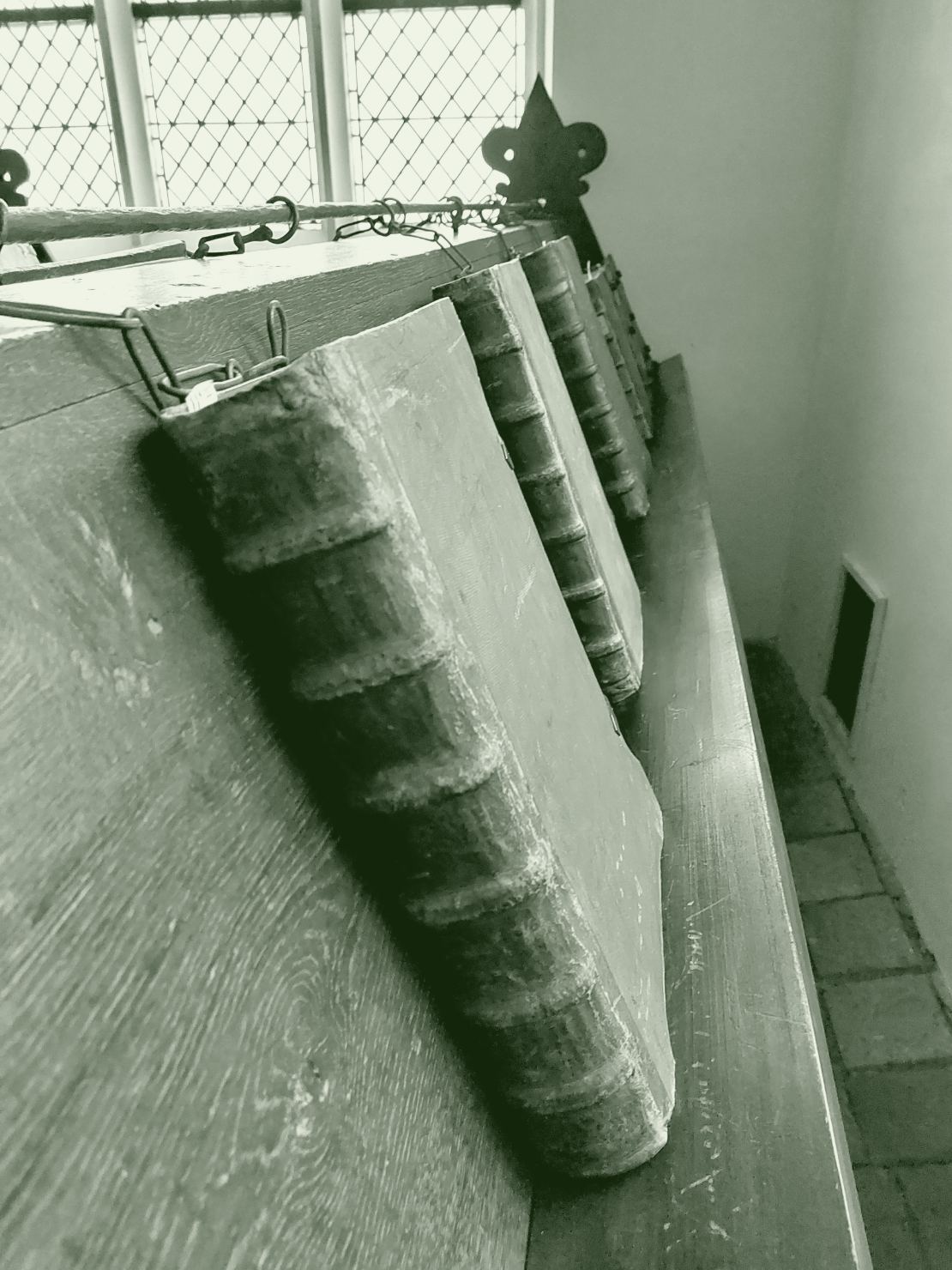
Volumes à dos à nerfs retenus par leurs chaînes sur un pupitre
Photograph by Mx Lucy · Wikimedia Commons.
Licence: CC BY-SA 4.0 · the version cropped and treated by this site is published under that same licence
Source page: see the image page · licence checked on August 6, 2026.
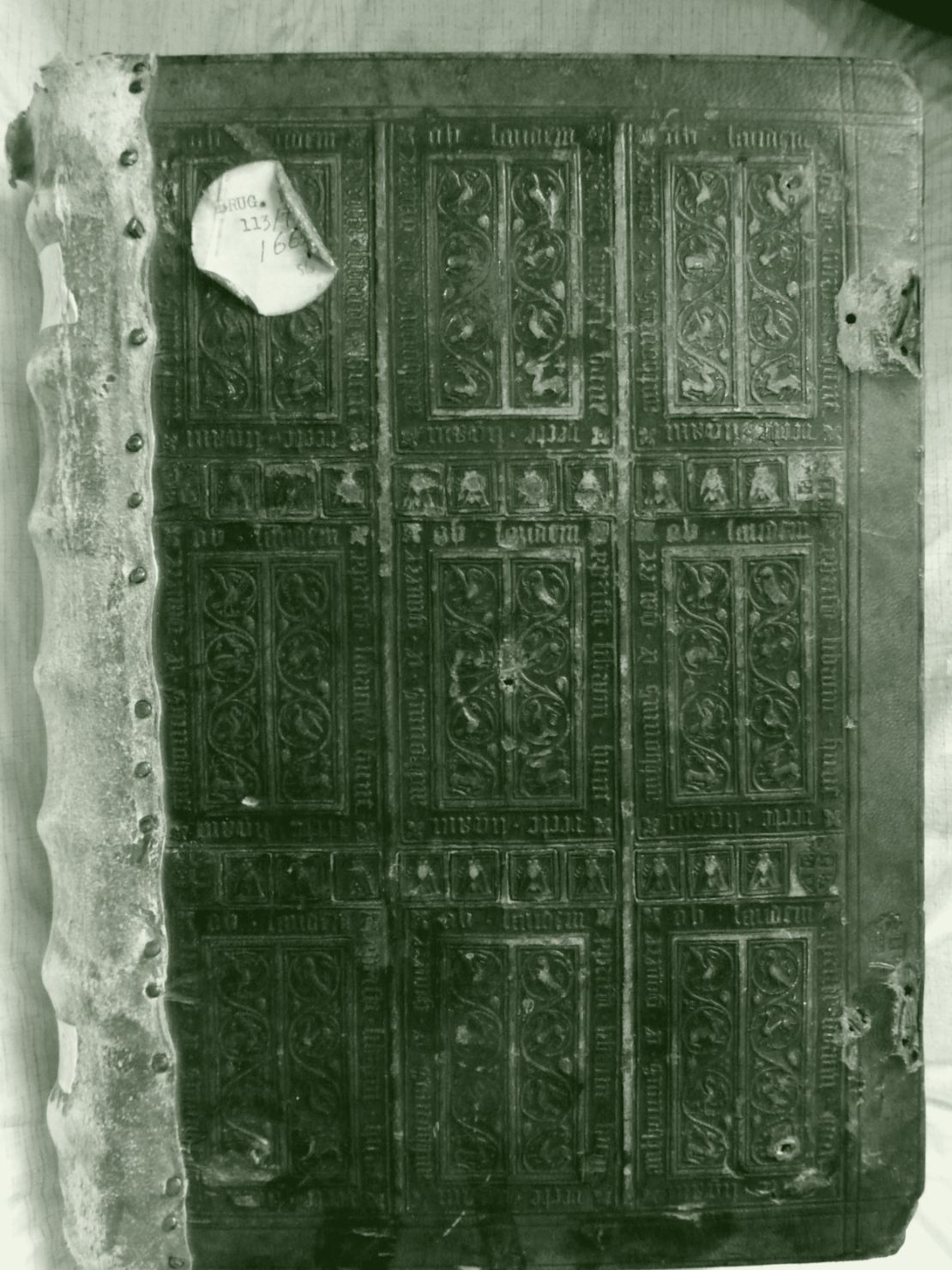
Reliure estampée à froid
Photograph by Alice De Coster · Wikimedia Commons.
Licence: CC0 1.0
Source page: see the image page · licence checked on August 6, 2026.
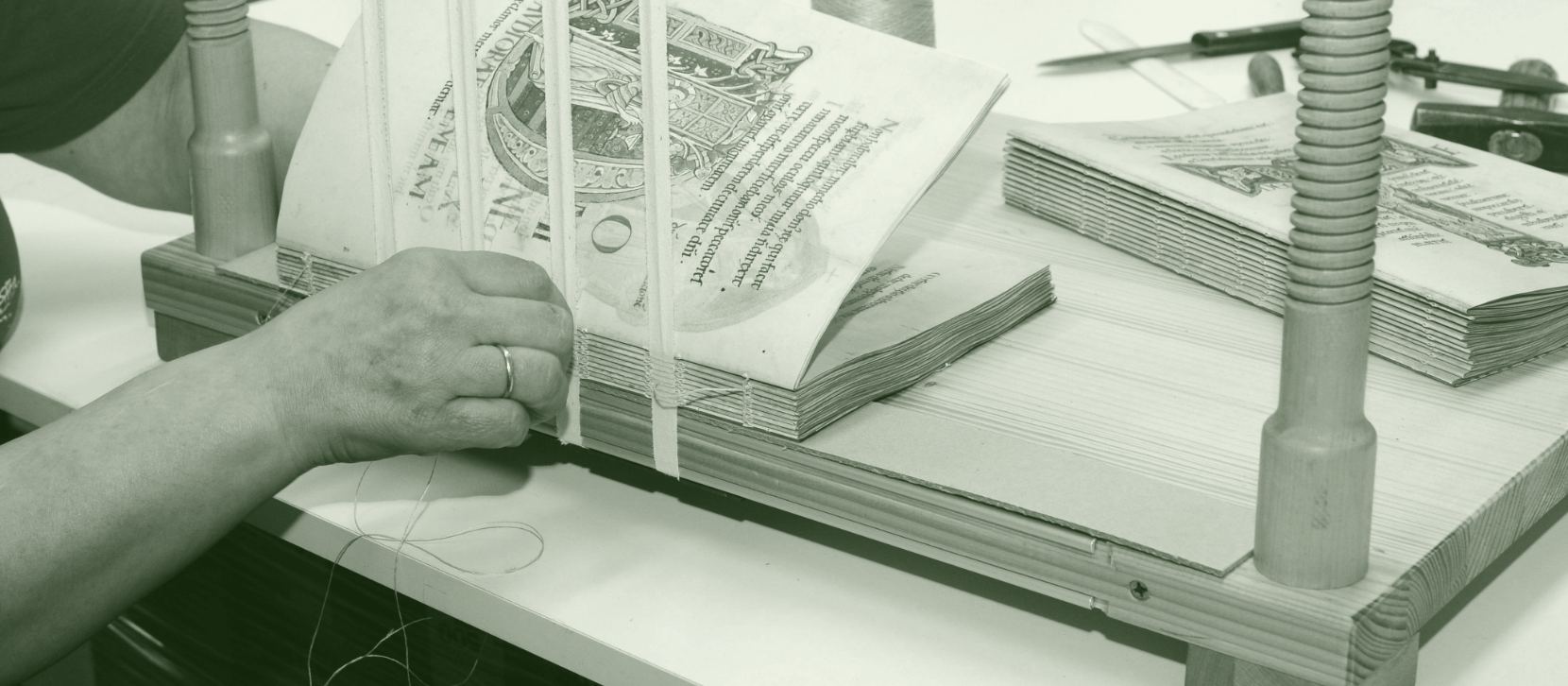
Main d'artisan cousant le bloc-livre d'un psautier sur un cousoir de bois
Photograph by Charlotte Kramer · Wikimedia Commons.
Licence: CC BY 4.0
Source page: see the image page · licence checked on August 6, 2026.
Main tenant un manuel ouvert, le pouce pose sur la tranche des feuillets
Photograph by João Silas · Wikimedia Commons.
Licence: CC0 1.0
Source page: see the image page · licence checked on August 6, 2026.
Stevenson screen exterior
Photograph by CambridgeBayWeather · Wikimedia Commons.
Licence: domaine public
Source page: see the image page · licence checked on August 9, 2026.
Cuneiform tablet: student exercise tablet
Photograph by The Metropolitan Museum of Art · Wikimedia Commons, versement en accès libre du Metropolitan Museum of Art.
Licence: CC0 1.0
Source page: see the image page · licence checked on August 9, 2026.
0 Pont du Gard (1)
Photograph by Jean-Pol GRANDMONT · Wikimedia Commons.
Licence: CC BY 4.0
Source page: see the image page · licence checked on August 9, 2026.
Cow standing on a field in Chastre (DSC02477)
Photograph by Trougnouf (Benoit Brummer) · Wikimedia Commons.
Licence: CC BY 4.0
Source page: see the image page · licence checked on August 9, 2026.
Lapin geant des flandres 2
Photograph by Lucile Petit · Wikimedia Commons.
Licence: domaine public
Source page: see the image page · licence checked on August 9, 2026.
Giraffe
Photograph by Sergio Cambelo · Wikimedia Commons.
Licence: domaine public
Source page: see the image page · licence checked on August 9, 2026.
Smiling dog
Photograph by Brandon Weeks · Wikimedia Commons.
Licence: domaine public
Source page: see the image page · licence checked on August 9, 2026.
La vigne sur le mur du jardin - Loir et Cher
Photograph by Dinkum · Wikimedia Commons.
Licence: CC0 1.0
Source page: see the image page · licence checked on August 9, 2026.
Cumulonimbus cloud - NOAA
Photograph by NOAA Photo Library, NOAA Central Library ; OAR/ERL/National Severe Storms Laboratory · Wikimedia Commons, depuis la photothèque de la NOAA (image nssl0035).
Licence: domaine public
Source page: see the image page · licence checked on August 9, 2026.
Cumulus clouds (9 July 2016) (Yellowstone, Wyoming, USA) 1 (28192241862)
Photograph by James St. John · Wikimedia Commons.
Licence: CC BY 2.0
Source page: see the image page · licence checked on August 9, 2026.
Rain gauge Hellmann
Photograph by Bocholter · Wikimedia Commons.
Licence: domaine public
Source page: see the image page · licence checked on August 9, 2026.
Biface, commonly referred to as a hand ax
Photograph by auteur non nommé à la source · Metropolitan Museum of Art, programme Open Access (inventaire 06.322.48, don de C. T. Currelly, 1906).
Licence: CC0 1.0
Source page: see the image page · licence checked on August 9, 2026.
Funayama Kofun (Yawatacho, Toyokawa), danmen-1
Photograph by Saigen Jiro · Wikimedia Commons.
Licence: CC0 1.0
Source page: see the image page · licence checked on August 9, 2026.
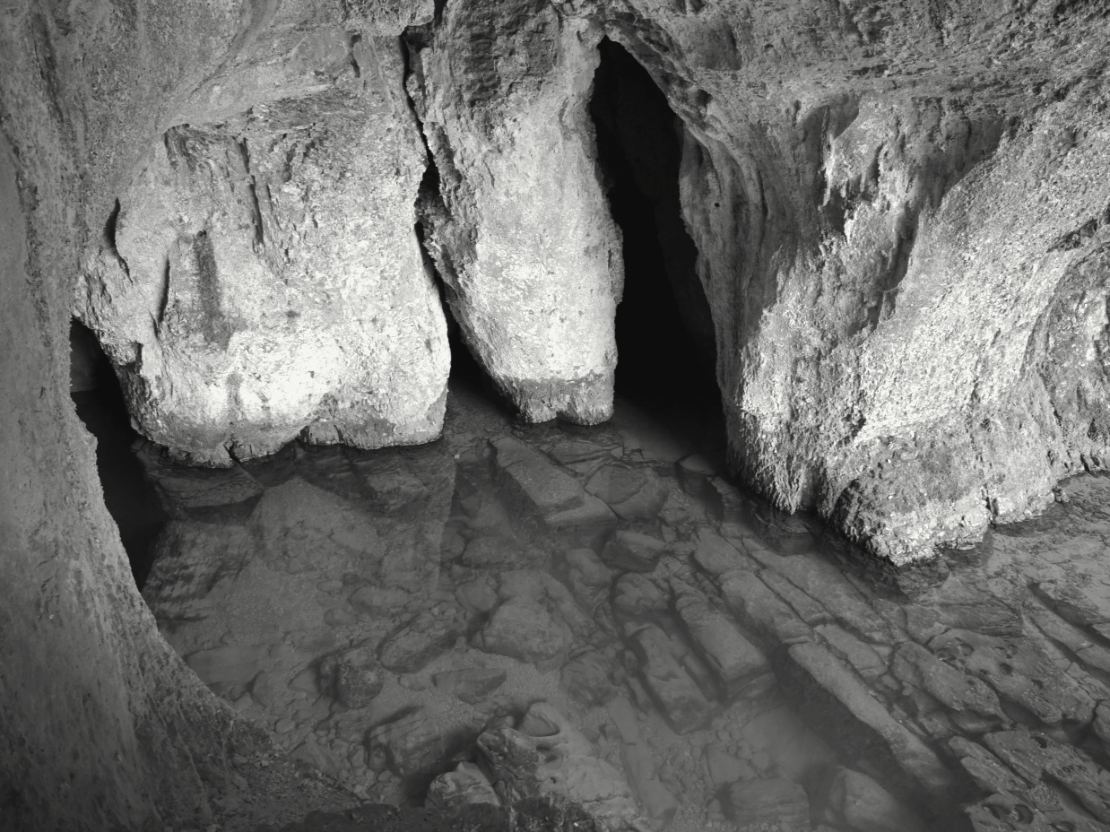
Inside the cave, Source du Lison, Nans-sous-Sainte-Anne, 2026
Photograph by DimiTalen · Wikimedia Commons.
Licence: CC0 1.0
Source page: see the image page · licence checked on August 9, 2026.


.jpg)


.jpg)


.jpg)
.jpg)


_(Yellowstone,_Wyoming,_USA)_1_(28192241862).jpg)

,_danmen-1.jpg)

The rule an image has to meet to get in
Six conditions, and all six are needed. A photograph missing one does not get in, whatever its quality.
- A source page carrying its author, its licence and a link to the text of that licence.
- A licence that is the public domain, a CC0 dedication, CC BY or CC BY-SA. A non-commercial or no-derivatives clause is refused.
- No recognisable face, no legible commercial brand, no staged scene presented as real.
- The image opened and looked at, not only its record: a repository label is not proof.
- Preparation offline, inside the repository: cropping at the focal point, the house treatment, two widths at least, one modern format and its fallback.
- A text alternative written in every language built, failing which the release is refused.
One lesson from the image search deserves to be written here: a photograph with an impeccable licence, dedicated to the public domain by a university collection, was set aside after visual examination because it carried two legible commercial labels that its metadata did not mention. Reading a record is not the same as opening the image.